
Author Cometsms Blog by L.V
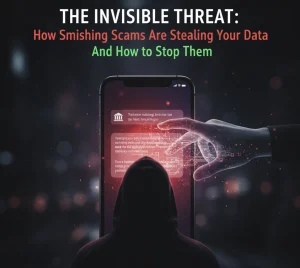
We’ve all learned to cautiously check our email inboxes for suspicious “Phishing” attempts. But cybercriminals have moved to a more intimate and trusted channel: SMS. This new threat is called Smishing (a blend of SMS and Phishing), and it exploits the inherent trust we place in our phones.
Smishing scams are alarmingly effective because they bypass traditional email filters and often arrive disguised as urgent messages from entities we trust—banks, delivery services, or government agencies. Because text messages are short and usually demand immediate action, users are far more likely to click a malicious link before thinking.
Understanding how Smishing works is the first, most crucial step in defending your financial identity and personal data.
Smishing attacks follow a predictable, psychologically manipulative pattern:
The message is designed to create a sense of crisis or urgency. Common pretexts include:
The message contains a shortened, vague link (e.g., bit.ly/3xY8zT1). Clicking this link leads you to a fake website designed to perfectly mimic the real entity (your bank’s login page, Amazon’s payment screen, etc.).
Once you input your sensitive information (login, password, credit card number, or sometimes your two-factor authentication code), the data is immediately transmitted to the hacker, who can then drain your accounts or sell your identity.
Smishing is particularly effective because your phone number is often the weakest link in your security perimeter.
Protecting yourself requires adopting disciplined habits. These rules will turn your phone into a shield, not a vulnerability:
Smishing is not a complicated threat, but it is a psychological one. Its success depends on urgency, fear, and our implicit trust in the device in our pocket. By being aware of the invisible threat and proactively using the right tools—including strong 2FA and strategic use of virtual numbers—you can ensure your phone remains a tool for connection, not a gateway for theft.
We provide a free, reliable, solution for receiving SMS OTP messages online. Our service allows users to protect their private phone numbers by utilizing our vast pool of disposable virtual numbers for online verification, account registration